







Why Greece?
Why Should I Work with InvestGC?
If you want to turn your dream of homeownership into a well-structured investment that both enhances your quality of life and protects your capital in the long term, Greece should be at the top of your list.
InvestGC is the first Turkish real estate developer to offer investors income-generating property projects in Greece that combine the country’s natural beauty and secure lifestyle with Euro-denominated rental returns. We are not merely a brokerage firm; we are a fully integrated organization that develops, constructs, and manages its own projects.
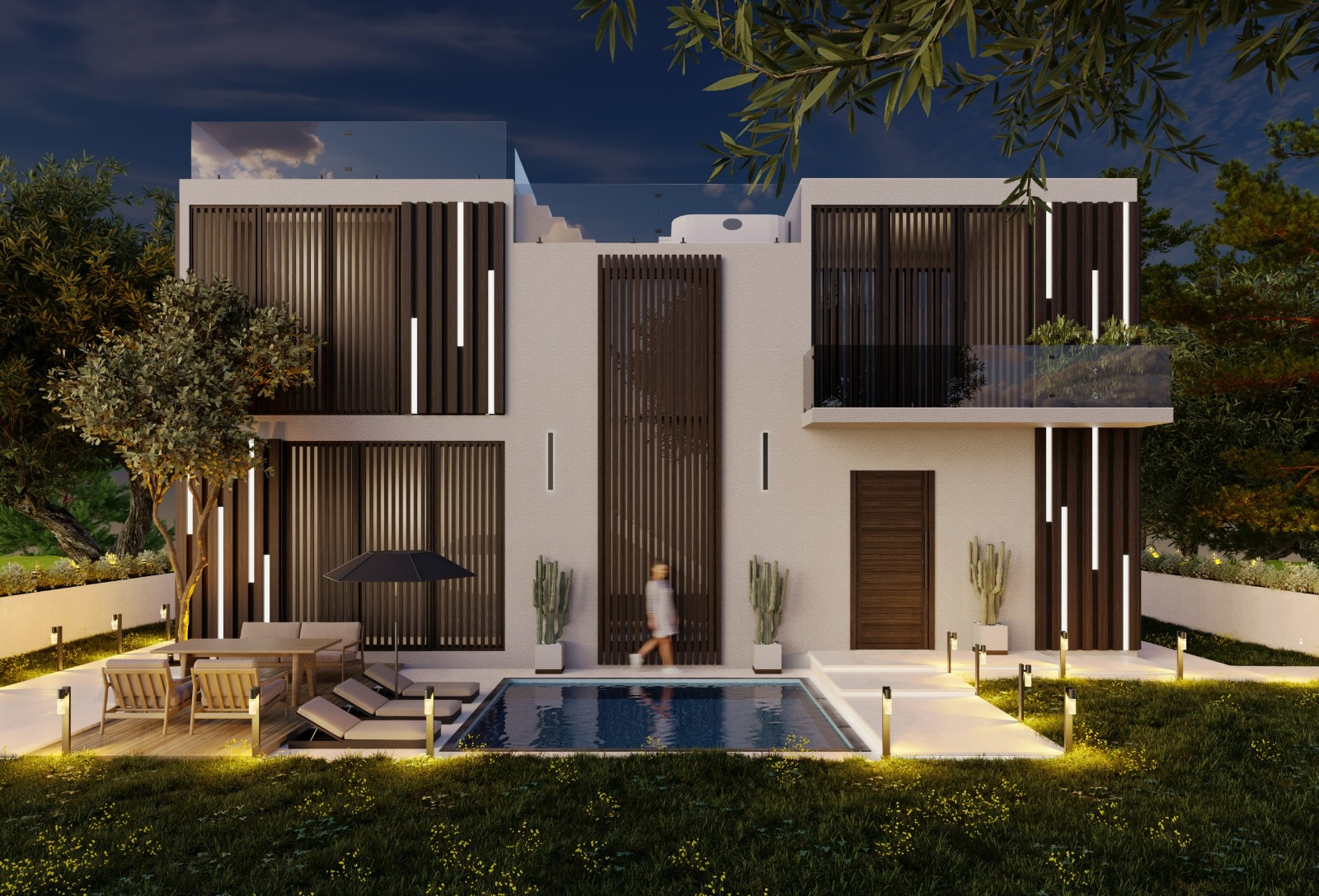
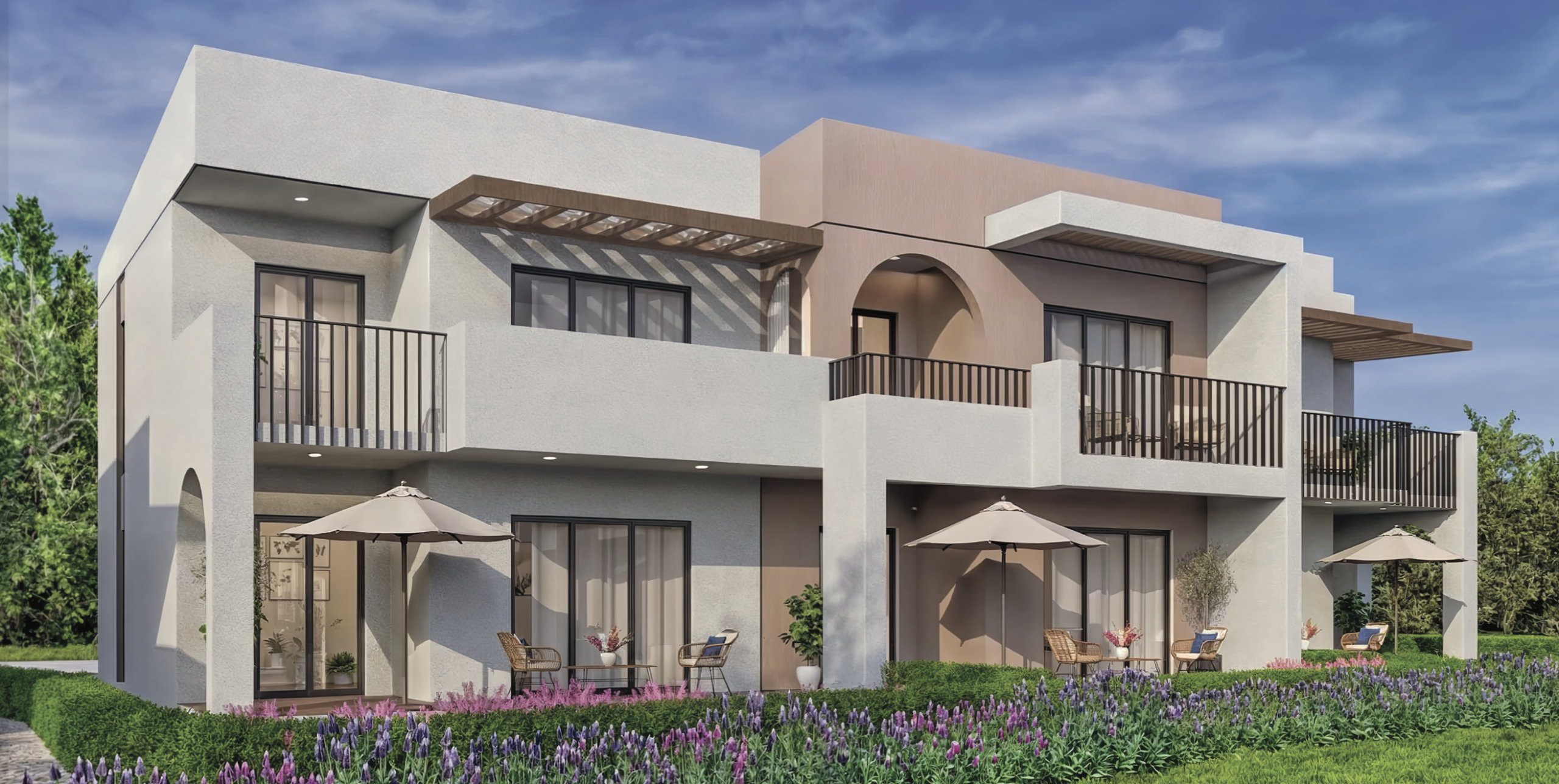
Our modern, architecturally distinctive villas—designed specifically for long-term rentals—are transformed into turnkey investment products through professional legal, financial, and operational management. From land acquisition and permitting to construction, title deed transfer, leasing, and professional property management, we stand by our investors at every stage of the process.
In this comprehensive guide, you will find detailed insights into the advantages and disadvantages of purchasing real estate in Greece, key investment regions, different property types, and a step-by-step overview of the acquisition process.
1) Euro-Denominated Rental Income
The extension of the tourism season, increasing demand during shoulder seasons (spring–autumn), and a well-established long-term rental market enable well-located properties to generate stable, Euro-based rental income. In regions such as Halkidiki—close to the sea and easily accessible—demand remains strong even outside peak season.
2) Lifestyle and Accessibility
Greece offers a safe, peaceful lifestyle with a strong sense of community. Direct flight connections from Istanbul, Ankara, and Izmir to Thessaloniki and Athens, along with ferry and road alternatives, provide multiple and convenient transportation options.
3) Golden Visa Eligibility
Under the Greek Golden Visa program, residency permits can be obtained with real estate investments starting from €250,000, depending on the region. A single application covers the investor’s spouse, children under the age of 21, and parents from both sides. The program also offers significant benefits such as free movement within Europe, as well as access to education and healthcare systems.
At InvestGC, Golden Visa compliance is one of the core design criteria of our projects. From document preparation to application submission and appointment scheduling, the entire process is meticulously managed by our in-house legal team.
Would You Like to Receive Free Consultancy on the Greek Golden Visa?
4) Security of Working with a Developer
Working with intermediary firms may lead to various disruptions throughout the investment process. InvestGC, on the other hand, is a company that directly develops, constructs, and markets its own projects in Greece. This integrated structure allows supply chain management, delivery standards, and after-sales support to be managed through a single point of control, ensuring transparency and consistency at every stage.
Disadvantages and How They Are Managed
1) Renovation and Maintenance Risks
Unexpected renovation costs may arise, particularly in older stone houses or resale properties. In addition, legal permits and license updates can extend renovation timelines and increase overall project complexity.
2) Incorrect Property Selection and Fraud Risk
Investors working with unreliable intermediaries or without sufficient market knowledge may face risks such as poor location choices, properties with legal title issues, or unrealistic rental income projections.
3) Seasonality and Demand Cycles
In coastal regions, tourism demand typically peaks during the summer months and declines during winter. This seasonality may result in periodic income fluctuations for investors.
4) Procedural Delays and Bureaucracy
Official procedures in Greece are subject to fixed administrative schedules. Delays may occur during documentation preparation, appointment scheduling, and title deed registration processes.
At InvestGC, we manage the Greek Golden Visa application process with full transparency and meticulous follow-up, ensuring that each step progresses efficiently and securely.
Prime Regions for Purchasing Property in Greece
Thanks to its rich historical and cultural heritage combined with diverse geographical landscapes, Greece offers a wide range of opportunities for both investment and lifestyle-oriented buyers. Each region has its own architectural identity, living standards, and investment dynamics.
Popular Regions
- Athens
As the capital city, Athens seamlessly blends ancient heritage with modern urban living. The city offers a broad spectrum of real estate options, ranging from apartments near historical landmarks to contemporary residential developments in central and emerging districts.
It is one of the country’s most in-demand locations, thanks to its vibrant social life, strong employment opportunities, and well-developed transportation networks.
- Thessaloniki
As Greece’s second-largest city, Thessaloniki is known for its university culture, seaside promenade, and dynamic social life. Traditional houses and modern apartment buildings coexist throughout the city. While tourism activity increases during the summer months, the city adopts a calmer and more residential character in winter.
- Halkidiki
Halkidiki consists of three peninsulas extending into the Aegean Sea—often referred to as the “three fingers”—each offering distinct characteristics. Its proximity to Thessaloniki makes the region particularly attractive. The area features both villas suitable for holiday use and modern residential units ideal for investment purposes. Continued demand outside the high season represents a significant advantage in terms of rental income potential.
- Crete
As the largest island in Greece, Crete offers a diverse real estate market, ranging from modern apartments in urban centers to traditional stone houses in rural areas. Coastal zones stand out as prime locations for tourism-oriented properties.
- Cyclades Islands
Home to iconic destinations such as Mykonos and Santorini, the Cyclades are renowned for their whitewashed architecture and panoramic sea views. Properties in this region are generally preferred for holiday and tourism-driven use.
- Peloponnese Peninsula
With its historical heritage and rural character, the Peloponnese appeals to those seeking a more tranquil lifestyle. Traditional houses are common in small towns, while modern residential developments can be found along the coastline.
- Ionian Islands
Islands such as Corfu, Zakynthos, and Kefalonia are known for their lush green landscapes and distinctive architecture. Seafront villas and countryside properties are among the most prominent real estate options in this region.
- Rhodes (Dodecanese Islands)
Rhodes offers a unique blend of history and modern living. Properties range from medieval-era houses within historical districts to contemporary apartments located along the coastline.
Types of Real Estate in Greece
Greece offers a broad spectrum of real estate options tailored to different investor profiles and lifestyle preferences. From modern city apartments to seaside villas, traditional village houses, and commercial hospitality properties, the market is highly diverse. Each property type presents distinct advantages depending on its intended use and income potential.
City Apartments
Apartments located in Athens, Thessaloniki, and other major cities are among the most common property types and are well suited to modern urban living. Proximity to public transportation, universities, business districts, and social amenities makes them particularly attractive for long-term rental strategies. Most apartment units feature balconies, while some also offer city or sea views, adding to their overall appeal.
- You can enter the Greek real estate market with a lower initial investment cost.
- By renting your property to students and professionals working in city centers, you can generate stable and predictable rental income.
- City apartments generally offer higher liquidity. Properties located in central areas tend to attract buyers more quickly.
However;
- Rental yields may be lower compared to tourism-oriented regions. In high-demand tourist destinations, strong seasonal demand and higher nightly rental rates can significantly increase annual returns.
- Ongoing property expenses such as building maintenance fees, renovation, and repair costs may limit net profitability for investors.
- In major cities, average apartment sizes are typically smaller. As a result, options may be limited for buyers seeking larger, newer units for long-term living or more comfortable holiday use.
Villas
Villas are among the most sought-after property types in Greece. Villas located near the sea, featuring spacious gardens, private swimming pools, and modern infrastructure, offer an ideal structure for both personal holiday use and rental income during the tourism season.
- High Euro-denominated rental returns can be achieved through long-term leasing.
- With the extension of the tourism season—particularly in regions such as Halkidiki, Rhodes, and Santorini—demand remains strong throughout much of the year.
- Due to their appeal to families and groups, villas often benefit from longer average stay durations.
However;
- Some villas are located outside city centers, which may result in limited transportation options and longer travel distances for daily needs.
- Due to large gardens, private pools, and dedicated infrastructure, annual maintenance costs (cleaning, landscaping, security, insurance, etc.) are higher compared to apartments.
- Villas generally have higher purchase prices than apartments. Entry costs may increase significantly, especially in seaside or high-tourism areas.
Traditional Village Houses
Located in small towns and villages, these houses—often built with stone and adorned with colorful doors—preserve Greece’s traditional architectural character. Many offer sea or mountain views from their balconies. They are primarily preferred by investors seeking a boutique lifestyle, away from crowds, and an authentic living experience.
- The supply of village houses is relatively limited, which can support value preservation and long-term appreciation when purchased in the right location.
- Following renovation, the market value of the property can increase substantially. Combining historical character with modern comfort can be particularly advantageous for investors.
- They offer a peaceful, distinctive living experience away from city centers. Authentic architecture and natural surroundings may appeal to those seeking an alternative lifestyle vision.
However;
- The vast majority of these houses require extensive maintenance and renovation, which can result in significant additional costs and lengthy restoration timelines. In particular, the restoration of stone-built properties can be both costly and labor-intensive.
- Due to their distance from city centers, access to healthcare, education, and daily amenities may be limited. Restricted transportation options can pose disadvantages for both residential use and rental potential.
- In rural areas, infrastructure services such as electricity, water supply, sewage systems, and internet connectivity may be insufficient. Additionally, zoning and building permits for some village houses may not be up to date, which can prolong renovation processes and require additional bureaucratic procedures.
Commercial Properties
In regions where the tourism sector is strong, commercial real estate assets—such as hotels, boutique guesthouses, and serviced apartment hotels—present significant opportunities for investors. Businesses located near the coastline can achieve high occupancy rates during the tourism season. Greece’s capacity to host approximately 30 million tourists annually is one of the key factors making this investment segment particularly attractive.
- With proper management and strategic brand partnerships, commercial properties can deliver consistent long-term income alongside substantial capital appreciation.
- Greece’s status as a globally recognized tourism destination generates year-round demand for hotels and guesthouses in strategically located areas.
- In certain regions, government incentives and operational licenses aimed at supporting tourism may further enhance the attractiveness of commercial property investments.
However;
- Commercial projects typically require large-scale capital commitments, resulting in higher entry costs compared to residential investments such as apartments or villas.
- Operating a hotel or guesthouse requires industry expertise and professional management. Without this, the asset’s full revenue potential may not be realized.
- While revenues increase during peak tourism seasons, occupancy rates may decline significantly during winter months, creating cash flow management risks.
InvestGC projects offer more than simple property ownership; they provide an investment model supported by professional hotel and hospitality management. This structure enables investors to benefit from high rental income potential while also accessing opportunities with lower effective entry costs.
A Step-by-Step Guide to Purchasing Property in Greece
The process of purchasing real estate in Greece involves several stages, including obtaining a tax identification number, notary procedures, title deed registration, and the preparation of legal documentation. While this process may appear complex at first glance, when managed with proper planning and an experienced professional team, it becomes transparent, secure, and fully predictable.
At InvestGC, we organize and manage the entire process on behalf of our investors from start to finish.
- All legal due diligence is conducted by our attorneys
• We personally oversee notary and title deed procedures
• All documentation is prepared accurately and in full
• Golden Visa application files are handled with meticulous attention to detail
Step 1: Property Research, Valuation, and Legal Due Diligence
Our first priority is to clearly define your investment objective:
‘‘Are you seeking European residency through the Golden Visa? Stable rental income? Or a lifestyle-oriented option for holiday use?’’
Based on your goals, you can choose the most suitable property type—city apartments, villas, village houses, or commercial properties. Reviewing online property platforms can help you gain insight into current market prices and average values.
Once a property is selected, its title deed records, mortgage status, outstanding debts, and zoning compliance are thoroughly reviewed by our legal team in Greece. If any issue prevents the property from being legally eligible for purchase, you are informed immediately.
Important Note for Investors! All InvestGC-developed projects consist of newly built villas and are free from debt, mortgage, or zoning-related issues.
Step 2: Viewing the Property On-Site
Before making an investment decision, visiting the property location and evaluating the surrounding environment, transportation access, and infrastructure can significantly influence your final choice. We strongly recommend seeing the property in person before making a final commitment.
To visit our project sites, review completed phases, and examine ongoing developments on location, simply get in touch with us—we will be happy to arrange everything for you.
Step 3: Post-Decision Phase – Obtaining a Tax Identification Number (AFM)
In order to carry out any legal transaction in Greece, it is mandatory to obtain an AFM (Tax Identification Number).
The AFM is a tax registration number issued to foreign nationals by the Greek Tax Authority (Independent Authority for Public Revenue – AADE). Foreign investors may complete this process through a Power of Attorney by appointing a licensed lawyer or certified accountant operating in Greece.
Step 4: Completion of Title Deed Registration
After obtaining the tax identification number, the final sale and purchase agreement is signed before a notary. Upon execution of the notarized deed, ownership of the property is officially transferred to the investor.
At this stage, the property is duly registered with the Greek Land Registry / Cadastre in the name of the investor. Once the notarial approval and official registration are completed, full and legally binding ownership rights are acquired.
Important Notice for Investors! During the title deed transfer, all notary fees, land registry charges, and related official expenses must be borne by the buyer.
You have successfully purchased your property. So, what comes next?
How does the Golden Visa application process work, and what are the required steps? For comprehensive information, please review our Greece Golden Visa Guide.
Frequently Asked Questions About Buying Property in Greece
The title deeds should be examined through a lawyer; any encumbrances such as liens, mortgages, or debts should be checked. This will provide you with detailed information about the property’s status.
You can rent out your property on a long-term basis. However, short-term rentals (such as Airbnb) are prohibited by law in Greece.
No. With a power of attorney, your lawyer or legal representative can handle the entire process on your behalf.
Greek banks can provide credit facilities to foreign investors under certain conditions. However, higher down payments and stricter assessment criteria are generally applied.
When proceeding with the purchase of real estate through a legal representative and/or lawyer, title deed procedures are generally completed within 1–3 months.